
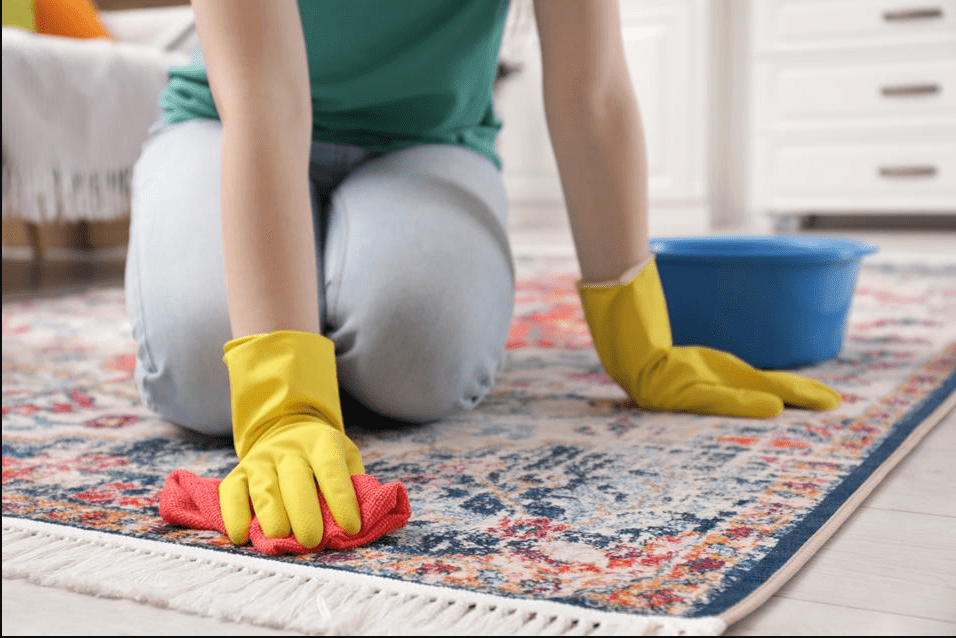
In Pakistani households, carpets are more than just floor décor; they are centers of comfort, works of beautiful design, and investments passed down through generations. From the intricate design of Kashmiri rugs to the strong fabric of Cobi carpets, they make our living spaces special. However, daily life—from tea spills and dirty shoe marks to dust from frequent power outages—damages them. Expert washing can be expensive and infrequent. The nice thing? With the correct information, you can clean your carpets effectively at home, preserving their appearance and extending their lifespan.
Why Regular Home Carpet Cleaning is Essential in Pakistan
Before diving into the methods, understanding the why is essential. Pakistan’s environment, especially in big cities like Lahore, Karachi, and Islamabad, presents a unique problem:
- Dust and Pollution: High levels of dust in the air quickly settle into carpet material.
- Humidity & Fungus: In monsoon seasons, dampness can lead to mould and mildew spread underneath carpets.
- Allergens: Carpets catch flower powder, dust mites, and pet skin flakes, irritating allergies and asthma.
- Spills & Stains: Our love for bright colored foods (sauces, biryani, and sweets) and beverages (tea, coffee) makes stains a common enemy.
Regular cleaning not only maintains the look but also creates a healthier home for your family.
Benefits of DIY Carpet Maintenance
- Cost-Effective: Saves you thousands of rupees compared to yearly Expert services.
- Convenience: Clean on your own timetable, without the inconvenience of shifting furnishings or waiting for service teams.
- Instant Action: Tackle New spots directly, preventing them from setting permanently.
- Chemical Control: You select safe, gentle, or natural cleaners, especially important for a house with family and pets.
- Prolongs Carpet Life: Frequent maintenance spots grit from wearing and cutting fiber roots, helping your carpet remain longer.
Why Local Maintenance Matters
General care advice often fails to account for the specific pollutants present in cities such as Lahore, Karachi, and Islamabad.
Urban Dust & Smog: Our atmosphere holds a high load of fine dust. If left on the carpet, these particles act like sandpaper, wearing down the fibers with each step.
The “Salan” Factor: Pakistani cooking is heavy in ghee and Turmeric (Haldi). A spill in a desi home isn’t only a mark; it’s a struggle with natural dyes.
Monsoon Humidity: In July and August, humidity levels climb. A wet carpet that isn’t appropriately dried can form fungus and a long-term “musty” smell within 48 hours.
Phase 1: Every Week Defense
In high-dust areas, vacuuming once a week is insufficient. Target three times a week.
Slow Vacuuming: Guide the vacuum steadily. Rushing prevents the suction from pulling dust from the base of the fiber.
The Traditional Beating: For portable carpet, carry it outdoors. Hang them over a solid gate and utilize a plain stick to beat the back. You will be amazed by the amount of fine dust that falls out.
Phase 2: Handling the “Big Three” Pakistani Spots
If an accident occurs, respond within 60 seconds. Never rub. Scrubbing pushes the spill further in. Always blot using a clean, white cotton fabric (an old banyan is ideal).
1. The Haldi (Turmeric) Emergency
It acts as a natural color that may be marked permanently.
- The Fix: Combine one tbsp liquid soap and two glasses of cold water.
- The Trick: Include a small amount of white vinegar. Its sourness helps break down the yellow color. Skip warm water, since it “fixes” the dye.
2. Salan & Oily Food (Ghee/Oil)
- The Fix: Instantly cover the area using Baby Powder or Corn flour.
- The Outcome: Allow it to rest for 30 minutes to absorb the oil, and then vacuum it up. This prevents grease from becoming a permanent attractant for dirt.
3. Tea & Coffee
- The Fix: Blot instantly. Combine one tablespoon of white vinegar with a few drops of liquid soap in warm water. Blot from the outside of the spot, moving to the middle.
Phase 3: The DIY Deep Clean Methods
You don’t require costly machines; you need a bucket and a little time.
Techniques A: The Baking Soda & Vinegar Refresh
- Vacuum the rug twice.
- Sprinkle baking soda (Meetha Soda) generously across the whole area.
- Mist with a half-and-half solution of white vinegar and water. The bubbling reaction lifts deep-seated dirt to the surface.
- Dry & Vacuum: Allow it to dry thoroughly with a fan, and then clean.
Method B: The Hand Wash
- The Solution: Combine 1/4 cup of clear dish detergent with 1 cup of white vinegar in a gallon of warm water.
- The Scrub: Use a soft brush. Dunk it in the foam (not the water), then scrub gently.
- The Rinse: Use a wet cloth to “rinse” the area. Do not soak the carpet, because a wet underside can rot.
Phase 4: Sun-Drying & Sanitizing
In Pakistan, people have a natural cleaner: sunlight.
- The Process: After washing, place the carpet in the sun for 2 hours.
- The Warning: Do not leave delicate silk or old carpets under the strong noon sunlight for too long, because it may cause colors to fade.
Phase 5: Seasonal Storage (The Summer Roll-Up)
Many families install thick carpets during hot weather. Keeping them wrongly can damage them.
- Step 1: Do not pack away a soiled carpet; it invites insects.
- Step 2: Use mothballs or dry Neem leaves to stop the insects’ damage.
- Step 3: Curl the rug with the fibers facing inward.
- Step 4: Wrap it in a cotton bed sheet. Avoid plastic, since it holds moisture.
Frequently Asked Questions (FAQ)
Q: Should I use Laundry Detergent or Scrub for washing my carpets? A: This is unsafe. These cleaners are for fabrics and may leave a sticky residue that draws more dust. Use only clear liquid dish soap or a specialized carpet shampoo.
Q: My carpet smells “damp” after washing. What should I do? A: This occurs when the carpet remains wet too long. Switch on all fans and the AC (on ‘Dry’ mode). Scatter baking soda, leave for two hours, then vacuum to absorb the smell.
Q: How can I fix deep furniture dents? A: Put an ice cube on the dent and let it melt. Once wet, use a fork to lift the fibers back up carefully.
Q: Is it safe to clean a silk carpet at home? A: No. Silk and antique pieces are delicate and use natural dyes that run efficiently. An expert cleaner must always handle these.
Q: How often should I deep clean? A: For most Pakistani homes, a deep clean every 6 months (before and after winter) is best. Busy spots like the living room may need it every 3 months.