
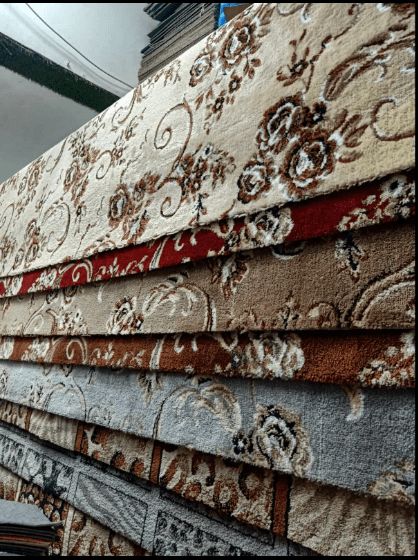
The ground of a space is its base, and the suitable rug can change a building into a home. In Pakistan, rugs are more than simply floor layers—they symbolize heritage, artistry, and relaxation. As we progress through 2026, the rug marketplace is undergoing active changes in costs, material preferences, and purchasing patterns. Whether you are searching for lavish handcrafted carpet or affordable factory produced flooring, understanding current rates is essential to an intelligent purchase.
The Marketplace Outlook for 2026
To comprehend carpet costs, we must first examine the financial environment. According to recent information, Pakistan’s wholesale cost rise eased to only 0.20% annually in January 2026—the smallest level since August previous year. This is positive information for purchasers. The “Textiles and Hide” segment, which contains rugs, recorded a cost rise of 5.40% , a declaration from the 5.89% increase at the conclusion of 2025. This suggests balancing that while prices are marginally greater than last year, the swift increases seen earlier are leveling off, making now a possibly good time to put money into quality flooring.
1. Hand-Tied Wool based Carpets
Pakistan is famous worldwide for these works of art, often shipped abroad to premium markets in the United States and Europe. Latest commerce data reveals hand-tied woolen rugs being transformed to the United States at an average cost of $14.35 per square foot (excluding delivery). Locally, prices vary from PKR 4,500 to PKR 10,000+ per square foot relying on knot concentration, pattern complexity, and whether silk is mix with wool. A premium medium-sized rug (approximately 3×5 feet) will probably cost more than of PKR 60,000 to PKR 80,000.
2. Factory produced & Man Made Rugs
For the average homeowner looking for affordability, synthetic threads like acrylic, polypropylene, and polyester control the marketplace. These are long lasting, spill proof, and effortless to care for. Simple domestic synthetic rugs begin approximately PKR 300 per square foot, while higher-quality, denser imported choices from Turkey or China can reach PKR 1,500 per square foot. They usually last 5-10 years based on traffic.
3. Tufted Rugs
Tufted carpets are created by punching yarn into a backing fabric, offering a soft texture. They function as a compromise between expensive hand-knotted and simple machine-made options. Rates usually vary from PKR 800 to PKR 2,500 per square foot.
4. Modern Printed Carpets
Often used in contemporary flats and workplace, these feature geometric designs and are made of designed synthetic materials. They are very budget-friendly, starting as low as PKR 200 per square foot for basic quality.
City-Wise Cost Differences
Rug prices can vary somewhat throughout major Pakistani urban areas due to shipping expenses and market pattern:
- Karachi: As a port city, foreign factory produced carpets are often slightly more affordable (5-10% less) compared to in other cities.
- Lahore: As a hub for hand-tied carpet craftsmen, you may find better deals on traditional, handmade varieties.
- Islamabad/Rawalpindi: Rates tend to be slightly higher due to transportation expenses and elevated living expenses.
Elements Affecting 2026 Costs
Multiple factors are molding the cost labels you observe today:
- Raw Supply Expenses: The 5.40% industry wide rise indicates wool and artificial granules price more compared to previous year.
- Workmanship and Skill: For hand-knotted carpets, skilled labor remains the most important cost, guaranteeing top rates.
- Import Tariffs: Numerous factory produced rugs come from Turkey, China, and Iran. Fluctuations in import taxes and the Pakistani Rupee’s value versus the USD directly affect retail prices.
- Design Complexity: A simple, one-color carpet will always be more affordable than a complex, may-colored design with elaborate edges.
Which located to Purchase: Request Internet Today
Online purchasing has transformed carpet buying in Pakistan, offering convenience and competitive pricing.
Benefits of Buying Online:
- Contrast rates throughout Karachi, Lahore, and Islamabad immediately.
- Certain sellers offer home test trials before buying.
- Special online discounts, complimentary delivery, and simple send back rules.
Carpet Upkeep and Preservation Tips
To guarantee your purchase endures a decade or longer, follow this advice:
- Clean regularly: Dust bits can damage rug threads. Vacuum busy areas at minimum twice per week.
- Treat stains immediately: Blot (avoid scrub) spills with a clean cloth. Employ gentle detergent mixed with water for most stains.
- Expert washing: Get costly wool or hand-knotted carpets professionally washed every 12-18 months.
- Use padding: Good quality padding extends rug life by absorbing friction and offering cushioning.
Frequently Asked Questions (FAQs)
1. Which is the most suitable floor-covering for flats in Pakistan?
For sleeping room, high-quality artificial rug (PKR 300-550/sq. ft.) offers heat and sound dampening. For living areas, many favor tiles or laminate, however a soft carpet provides comfort.
2. How much does a good hand-knotted carpet cost?
A medium-sized (3×5 feet) good wool carpet prices upwards of PKR 60,000 to PKR 80,000 in 2026. Bigger dimension or silk blends will be considerably higher.
3. Are factory produced carpets durable?
Yes. Modern synthetic carpet is highly long lasting, stain-resistant, and ideal for household with children and animals. They normally endure 5-10 years.
4. Can I negotiate rates in traditional markets?
Absolutely. In markets such as Liberty (Lahore), Zainab Market (Karachi), or Sunday Bazaars, haggling is expected—target for 10-20% discount from the stated price.
5. Wool or Synthetic—which is better?
- Wool: Softer, luxurious, natural insulator, however costly and requires professional washing.
- Synthetic: Budget friendly, stain-resistant, simple to wash, but might lack the premium feel of wool.