
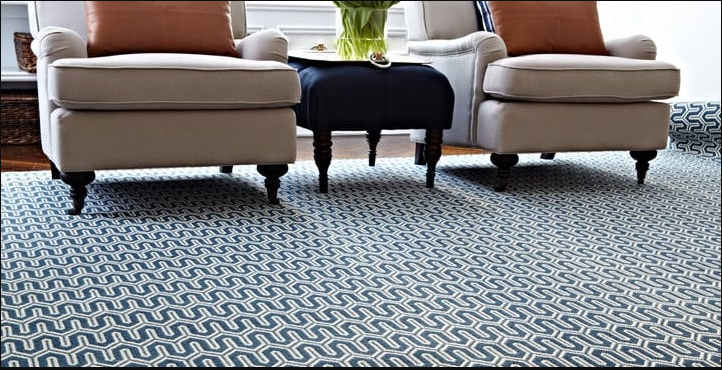
A lovely carpet is the heart of a Pakistani household. It brings warmth, color, and comfort to our living rooms. But with dirt, spills, and a busy family life, our carpets can quickly lose their beauty. Replacing them is a significant expense. The good news? With the proper care, you can protect your purchase and keep your rugs looking fresh for years. This guide will walk you through easy, effective carpet care strategies for Pakistan that everyone can follow.
Why Extra Care is Required in Pakistan
General cleaning tips often do not apply here. Our environment poses unique challenges:
- Heavy Dirt and Pollution: Our air carries tiny dust particles that settle deep into carpets, acting like sandpaper and cutting the fibers with every step.
- Hot, Oily Food Stains: From turmeric-laden haldi to greasy salan, our tasty food can create tough stains.
- High Humidity: During the rains, damp rugs can grow mold and develop a lasting musty odor in just days.
- Strong Sunlight: While great for drying, harsh sun can fade delicate colors.
Understanding these challenges is the first step toward effective carpet care in Pakistan.
The Golden Rules of Daily and Weekly Maintenance
1. Vacuum Smartly, Not Just Frequently
In dusty cities such as Lahore, Karachi, and Islamabad, vacuuming once a week isn’t sufficient. Aim for two to three times a week in high-traffic areas.
- Go Slow: Quick passes only lift surface dust. Move the vacuum cleaner slowly to let the suction pull dirt from the base of the fibers.
- Don’t Forget to Beat Your Rugs: For smaller, movable rugs, take them outside once a month. Hang them over a wall or railing, then firmly beat the back with a smooth stick. You’ll be surprised by the cloud of fine dust that falls out—dust your vacuum might miss.
2. Act Fast on Spills
The most important rule for maintaining carpets is speed. Never scrub a spill—it pushes it deeper. Always blot gently with a clean, white cloth (an old cotton undershirt is ideal) to absorb the liquid.
Conquering the “Big Three” Pakistani Stains
1. The Turmeric (Haldi) Emergency
Turmeric is a powerful natural dye. For a fresh yellow stain:
- Mix: 1 tablespoon of clear liquid dish soap into 2 cups of COLD water.
- The Special Tool: Add a small amount of white vinegar. Its acidity breaks down the yellow color.
- Blot gently with the solution using a cloth. Never use warm water, as it can set the stain.
2. Salan & Oily Stains
For oily curry, ghee, or butter:
- Cover the stain immediately with a thick layer of talcum powder, cornstarch, or even flour.
- Let it sit for 30 minutes. The powder will absorb the oil.
- Vacuum it up thoroughly. This prevents an oily patch that attracts more dirt.
3. Tea and Coffee
- Blot up as much as you can first.
- Mix one tablespoon of white vinegar with a few drops of liquid detergent in a cup of warm water.
- Blot from the outside of the stain toward the center to stop it from spreading.
The DIY Deep Clean: No Machine Needed
Every 6 months, give your rug a refresh. You don’t need expensive tools—just a bucket and some time.
Method A: The Baking Soda Freshener
This is effective for odor control and light cleaning.
- Vacuum thoroughly.
- Sprinkle baking soda generously over the entire carpet.
- Lightly spray with a 50/50 mix of white vinegar and water in a spray bottle. The gentle fizzing helps lift dirt.
- Let it dry completely (use fans), then vacuum. Your room will feel fresher instantly.
Method B: The Manual Shampoo Wash
For a deeper clean:
- Make your shampoo: Mix ¼ cup of mild dish soap and 1 cup of white vinegar into a large bucket of lukewarm water. It will create thick foam.
- Scrub gently: Dip a soft-bristled brush or sponge into the foam only (avoid the watery solution) and gently scrub small sections.
- Rinse: Wipe the area with a damp cloth to remove soapy residue. Do not soak the rug.
- Dry Quickly: Turn on fans and set your air conditioner to “Dry” mode. Speed is essential to preventing mold.
Using Pakistan’s Top Natural Resource: Sunlight
After cleaning, sun-dry your carpets if possible.
- Method: Place the washed carpet in direct sunlight for two to three hours. The sun is a powerful natural cleaner and odor remover.
- Warning: Avoid this for fragile, antique, or silk carpets, as strong sunlight can fade their colors.
Seasonal Storage: The Summer Roll-Up
Many households store heavy carpets in summer. Do it correctly:
- Never store a dirty carpet. Clean it first to prevent insect attraction.
- Use moth protection. Place mothballs or dried Neem leaves inside the roll.
- Roll it properly. Always roll with the pile (the soft side) facing inward to protect the fibers.
- Wrap in cotton. Use an old cotton bedsheet to allow the carpet to breathe. Never use plastic, as it traps moisture and promotes mold growth.
Benefits of Regular Carpet Care
Spending a little time on carpet maintenance pays off greatly:
- Saves Money: Makes your carpets last years longer, delaying expensive replacement.
- Boosts Health: Removes dust, allergens, and mold, giving your family cleaner air.
- Looks Fresh: A well-kept rug keeps your whole house looking tidy and cared for.
- Peace of Mind: Treating spills immediately prevents lasting stains and regret.
Frequently Asked Questions (FAQ)
Q: Can I use laundry detergent or a scrub to wash my carpets?
A: It’s hazardous. These cleaners are for clothes and often leave a sticky residue in the carpet fibers. This residue then attracts dirt more quickly, causing your rugs to become dirty again. Always use clear liquid dish soap or carpet-safe shampoo.
Q: My carpet smells damp after cleaning. What went wrong?
A: A musty smell means the rug stayed wet for too long. Immediately turn on all fans and your air conditioner in “Dry” mode. Sprinkle baking soda generously over the area, leave it for a few hours, and then vacuum. The baking soda will absorb the damp smell.
Q: How can I fix deep dents from furniture?
A: Place an ice cube on the dent and let it melt completely. The water will soften the crushed fibers. Once damp, carefully lift the fibers back up with the edge of a spoon or a fork. Let it dry.
Q: Can I wash a silk or antique rug at home?
A: No. Silk and antique carpets are very delicate and may bleed dye. Cleaning them at home can cause permanent damage or color loss. These valuable items should only be handled by a professional cleaner.
Q: How often should I deep clean my carpets?
A: For most homes in Pakistan, a thorough deep clean every 6 months is ideal—once before winter (when you take out heavier rugs) and once after. In high-traffic areas like the lounge, you might need to do it every three to four months.
Final Tip
The secret to maintaining rugs is consistency. Frequent vacuuming, instant stain treatment, and a twice-yearly deep clean will transform your carpet care routine. Your carpets are a significant investment and a centerpiece of your home’s decor. With these simple steps, you can protect that investment and enjoy beautiful, fresh floors for many happy years to come. Start today—your carpets will thank you.