
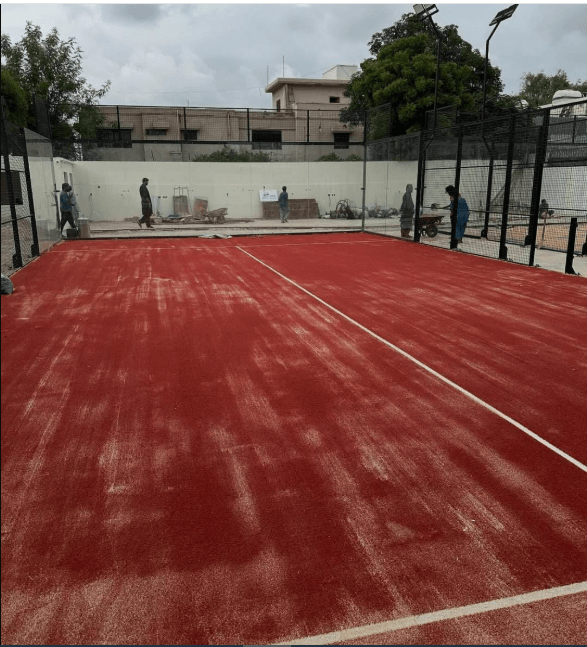
Selecting the correct padel court flooring material is the most critical choice in building a playable, long lasting, and high-performance court. This specific surface immediately affects the sports speed, Athlete safety, maintenance requirements, and lasting investment worth. Much more than just a kind of lawn or mat, modern padel flooring is a complex, multi-layer structure designed for the games unique requirements. This guide will describe the various types of materials, examine their durability, detail the cost, and help you make the perfect selection for your project.
Understanding the Padel Court Floor Structure
Before diving inside materials, it’s vital to comprehend that a padel court floor is not a single sheet. It’s a thoughtfully designed structure usually comprising a shock-absorbing foundation, a performance mat layer, and a last layer of sand. This combination ensures reliable ball rebound, adequate player cushioning, and proper drainage.
The Vital Role of Sand filling
A grit layer used on artificial turf is a defining feature of padel floor. Silica sand is swept into the synthetic rug fibers, weighing down the turf, holding the fibers upright, and providing the necessary ball bounces and slide prevention. The grade and quantity of this grit are as crucial as the carpet itself.
Types of Padel Court Flooring Materials
The center of the setup is the artificial turf mat. The two primary types dominate the market, each with different characteristics.
1. Polypropylene (PP) Carpet Surfaces
Frequently considered the standard or beginner option, PP mats are widely used due to their affordability.
Characteristics:
- Fibers: Made from polypropylene, a springy and flexible synthetic.
- Feel: Usually offers a slightly faster play because the fibers can be less thick.
- Durability: Decent resistance to UV light and color fading, however the threads can be prone to crushing and wear over time, especially in high-traffic zones such as the “V” of the Playing area.
- Most suitable For: Public clubs, educational institute, or non public courts where budget is a primary consideration and usage is moderate.
2. Polyethylene (PE) Carpet Surfaces
This is the highest quality padel playing area carpet, favored by professional competitions and high-end clubs for its better performance and durability.
Characteristics:
- Fibers: Created from polyethylene, which is less hard and more durable compared to PP.?
- Feel: Offers a more reliable ball rebound and is usually regarded to offer a superior, more managed playing experience. The fibers are often more rough, improving foot grip.
- Durability: Excellent opposition to abrasion and matting down. PE mats maintain their game characteristics and appearance much longer than PP choices.
- Best For: Professional facilities, personal clubs with heavy use, and owners looking for the lowest long-term cost of ownership.
Hybrid & Fibrillated Yarn Options
Certain advanced mats blend PP and PE or use split yarns (smooth tapes split into a web of fibers). These aim to balance strength, performance, and cost, often providing improved drainage and a more natural grass-like look.
Durability & Longevity: What to Expect from Your Surface
The durability of a padel playing area is a result of fabric quality, fitting, maintenance, and use.
- Substance Quality: Premium PE fibers with a heavy face density (grams per square meter) will forever outlast lighter, PP option. The thickness of the threads and the under layer material’s strength are key.
- UV Protection: All quality carpets include UV inhibitors to prevent sun harm and color fading, a must for outside courts.
- Guarantee: A trustworthy sign. Premium carpet frequently comes with five-ten year guarantees against manufacturing defects and significant wear, while regular carpets may offer 2-5 years.
- High-Wear Areas: The “V” area (where the serve areas join) and the net area undergo the most use. A durable carpet will display minimal flattening and thread loss in those zones for a long time.
Maintenance is Key to Longevity: Frequent sweeping to move around sand and raise threads, removing dirt, and making sure good drainage will dramatically extend the life of any man-made grass for padel.
Installation: A Process You Can’t Skip On
Even the finest padel court flooring material will break down when installed wrongly. Expert installation is essential.
- Base Preparation: The concrete or asphalt foundation must be completely level, flat, and have the right slope for drainage.
- Padding: A impact mat might be put down for extra softness and safety.
- Carpet Installation: Rolls are laid accurately, joined together with waterproof adhesive and joining strip, and stretched to remove folds.
- Sand filling: Silica grit is distributed evenly and combed far down into the fibers until the mat is properly filled.
FAQ:
Q: What is the finest all-around padel court surface material?
A: For most business center and dedicated players, a top grade polyethylene (PE) mat surface provides the best balance of outstanding playability, superior durability, and decent long-term value. It is the recommended padel playing area surface for heavy use installations.
Q: How frequently does padel grass require to be replaced?
A: With correct maintenance, a premium PE surface can last 8-12 years or more. Budget PP carpets may need changing in 5-8 years, depending on uses. The sand may need occasional filling up.
Q: Can I install padel playing area flooring myself?
A: It is highly discouraged. The fitting requires specialized tools, knowledge of drainage, precise seam bonding, and correct sand infill techniques. Incorrect installation voids guarantees and leads to premature breakdown and bad playability.
Q: How much does it cost to resurface a padel court?
A: Recreating (changing just the carpet and grit) typically is price at 60-80% of a new court surface installation, as the current foundation is reused. For a 200m² court, budget approximately €4,500 – €8,000+ depending on the new turf chosen.
Q: What maintenance does the court require?
A: Crucial maintenance includes: every day sweeping with a spinning brush device to lift threads, once a week debris removal, monthly sand level checks and top-ups, and making sure drainage openings are clear. An annual deep-clean is also recommended.
Q: Is there a variation separating indoor and outside padel court carpets?
A: The main basic materials are comparable, but outdoor carpets must have excellent UV protection and drainage abilities. Indoor surfaces may concentrate more on fiber density and performance, as they aren’t exposed to the weather.
Conclusion
Choosing the perfect padel playing area flooring material is a choice that balances upfront cost with long-term play aims. From the cost-effective consistency of polypropylene to the professional-level durability of polyethylene, knowing the makeup, lifespan, and true price of each option empowers you to spend wisely. Remember, the surface is the heart of the playing area—the place where every player engages with the game. By focusing on quality materials and professional fitting, you ensure a superior playing experience, improved security, and a worthwhile asset that will deliver pleasure and return on money spent for many years to come.